
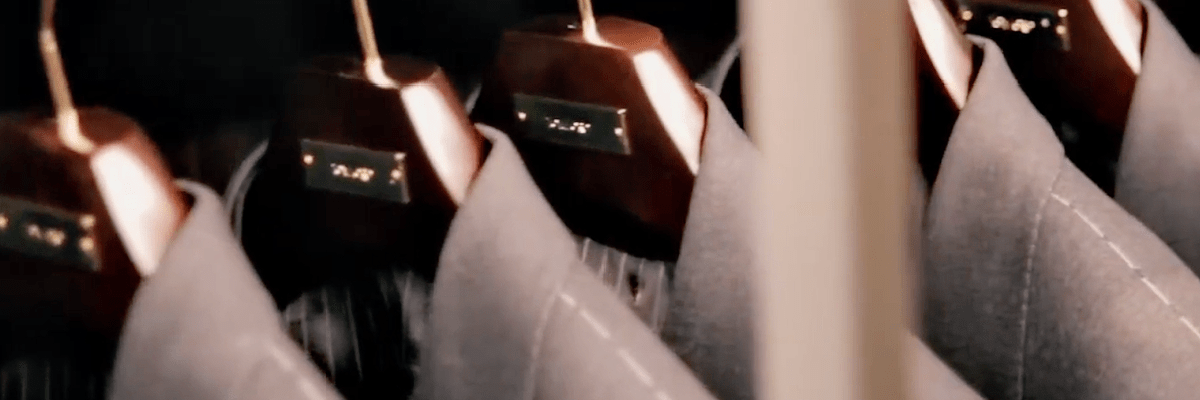
Tom Ford is a modern icon, an American fashion designer who is considered to be one of the world’s greatest couturiers and a leading tastemaker. He founded his eponymous label in New York City in 2005 having previously been the creative director at Yves Saint Laurent and Gucci, where he transformed the brand into the global powerhouse it is today. Ford first emerged as a serious design talent whilst at Perry Ellis where he worked alongside his peer, Marc Jacobs. His signature style is overtly modernist, embracing sharp lines and angles, minimalist colour palettes and defined silhouettes, however Ford manages to pay homage to traditional methods and drapes in order to accentuate the figure. This style has won the label a great many admirers, with the brand being a go-to for the best-dressed members of High Society, silver screen stars and titans of industry. Indeed, Ford has regularly been sought out by Hollywood studios to craft bespoke pieces for their wardrobe departments, even dressing Daniel Craig’s James Bond – the manifestation of the British style, the Savile Row suited gentleman. Ford, a customer of Anderson & Sheppard, is an aficionado of the Row and its sartorial legacy. He has carefully studied the tailoring art and the English-style, borrowing heavily from the tradition for his own tailoring service. A full-suite fashion house, the Maison is now split between its beauty and cosmetic offer (owned by Estée Lauder) and the fashion business (under the Zegna group).
Tag Archives: BAGS & HANDBAGS
KITON
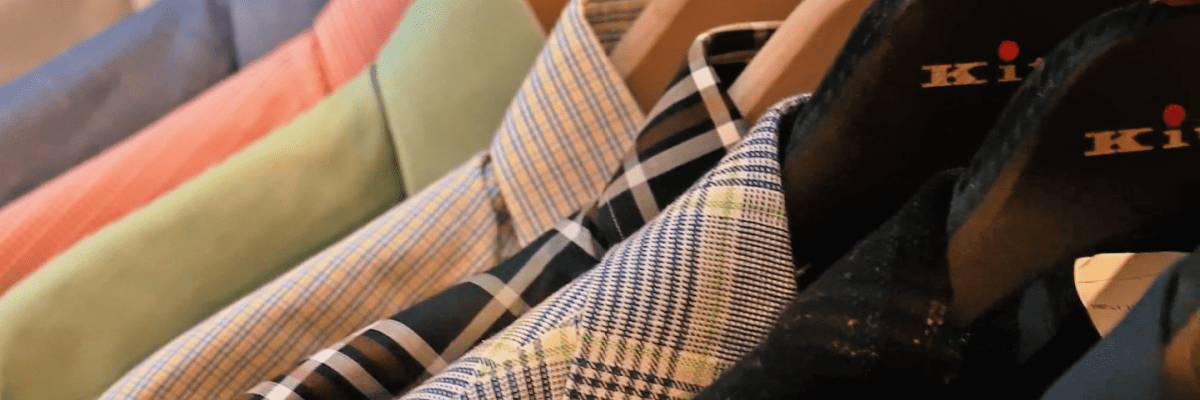
Kiton is a revered brand, well known to the world’s best dressed men. The brand was established in 1968 by Ciro Paone who had already launched a successful apparel company in 1956 in his home city of Naples. He sought to build upon that experience and on the city’s legacy as a global epicentre of fine tailoring and shirtmaking with the launch of his own tailoring house, a house which would use only the finest materials and the most careful and precise craftsmanship. His mission was single-minded: to be the world’s pre-eminent tailoring studio. The brand quickly won over the most discerning Neapolitan gentlemen and grew to become one of the most coveted bespoke suit makers on the planet. Paone expanded his brand to offer a wide range of apparel, accessories and leather goods, with various off-the-rack pieces made to the same exacting standards and high quality as his bespoke options and, as such, Kiton is renowned as a top-tier, quiet luxury brand.
LANCEL
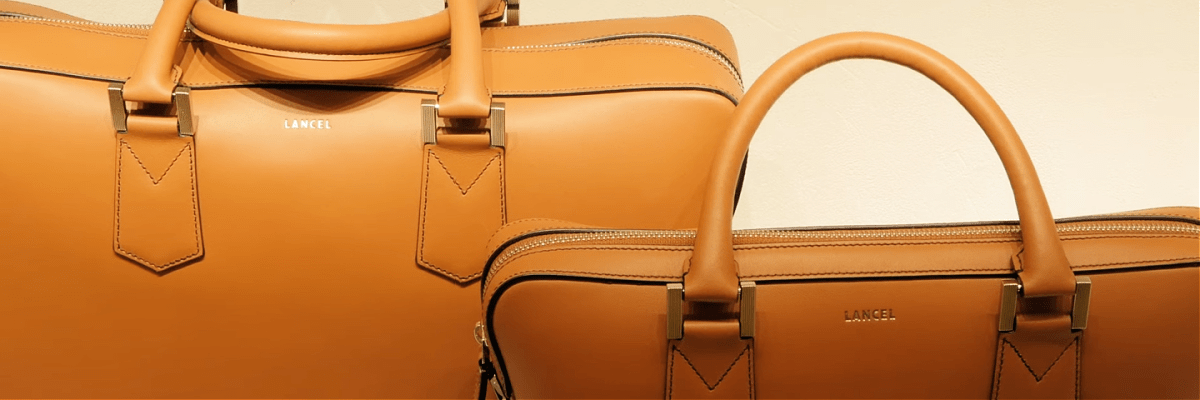
Founded in 1876, Lancel began as a producer of luxurious smoking instruments and gentlemen’s accessories, silverware, dinnerware and even timepieces. However, it was their leather goods and complementing travelware that would see the brand becomming a big hit with Parisian society. The firm slowly repositioned itself as a manufacturer of elegant bags, luggage and leather products. Their trunks and suitcases were very popular in the age of steamship travel and the early years of aviation travel, putting the firm on a similar footing to other great malletiers of the age. The brand was acquired by the luxury goods conglomerate, Richemont, before being sold to Piquadro who currently steward this illustrious marque.
CHANEL
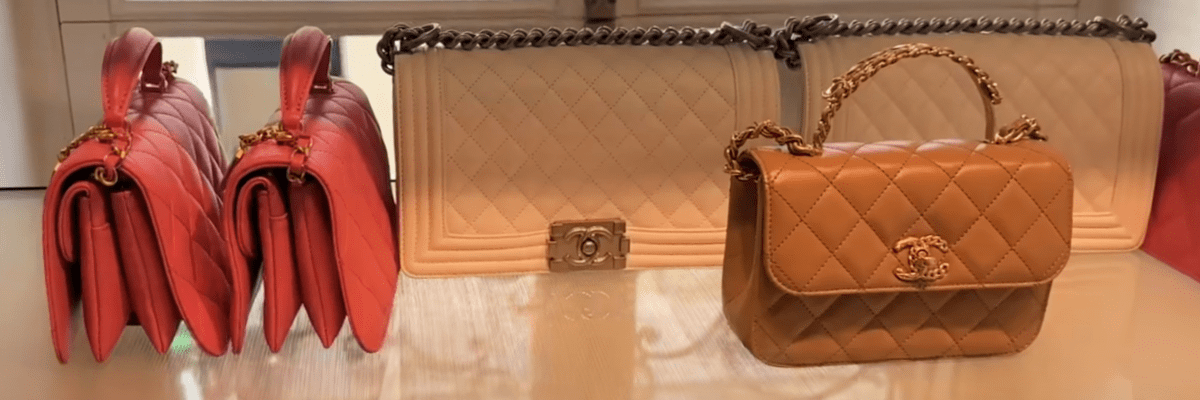
Coco Chanel began to ply her trade as a milliner of note when she opened her hat boutique in Paris in 1910. She soon expanded to include ready-to-wear tailored coats and sporting pieces to ensure the fashionable ladies of Parisian society were appropriately attired for their various sporting and leisure pursuits. Her designs featured elegant yet defined silhouettes and luxurious but practical materials which quickly came to define her house style and remain iconic and distinct today. The Chanel house would continue to grow, offering all manner of luxury goods, leather goods, perfumes and, eventually, couture designs. The brand is widely regarded as one of the world’s pre-eminent high-end luxury fashion brands.
S. T. DUPONT
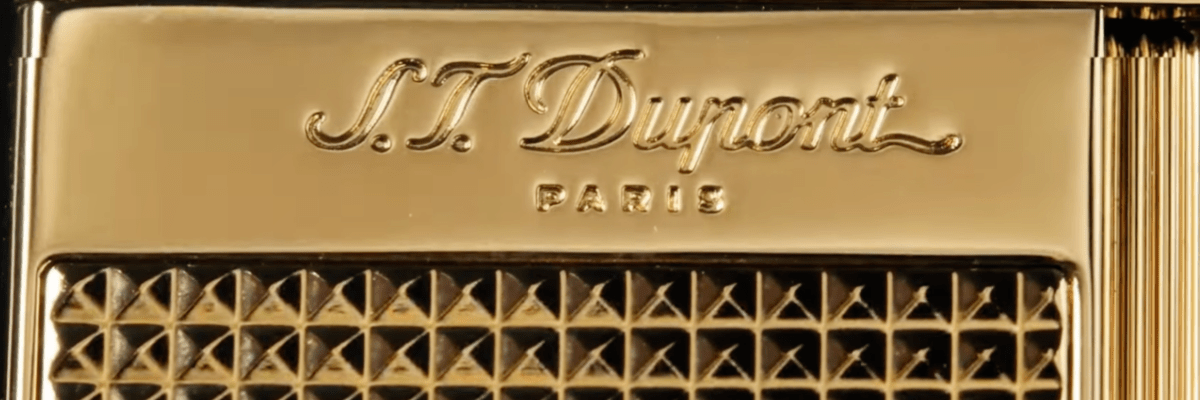
When his carriage manufactory workshop burned down in 1872, Simon Tissot-Dupont endeavoured to begin anew, acquiring a small leather studio which would produce high-end leather goods and briefcases for the most rarified Parisian gentlemen. The brand was a success and he soon won contracts to supply the great department stores of Paris and further afield. Today, the Dupont brand is synonymous with exquisite luxury goods, including their leather goods range, ornate pens and, especially, their top quality lighters.
CAMICERIA TIZIANO

A bespoke shirting house in Milan, Camiceria Tiziano has been outfitting many of Italy’s most discerning and best-dressed clientele since it opened in 1947. The small studio offers a bespoke, custom shirtmakers including luxurious fabrics and detailing. In addition, Camiceria Tiziano produces a range of accessories and handmade neckties. Their Milanese boutique also carries a broad selection of ready-to-wear shirts and accessories.
ALMINI
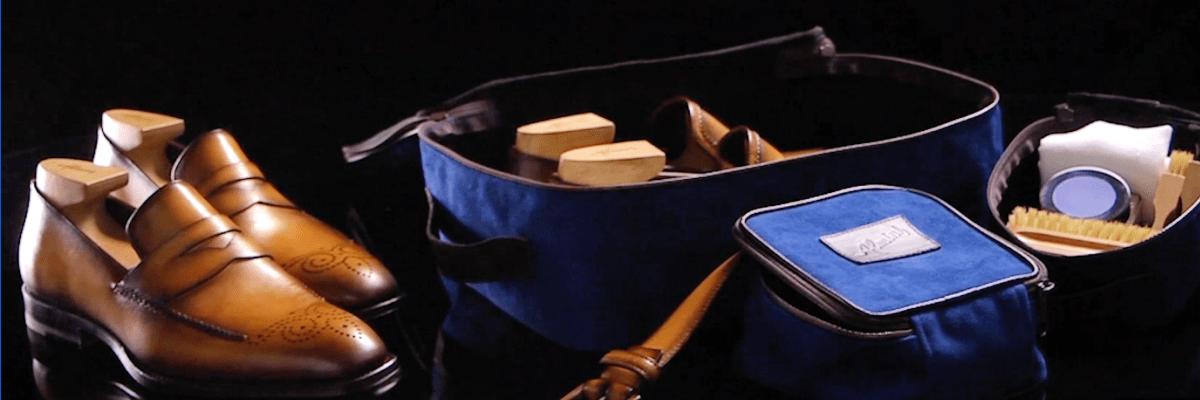
A boutique Milanese shoemaker and leather goods atelier that was established by Pietro Almini in 1921. The marque is renowned as a maker of high-quality, handmade footwear, bespoke to a customer’s exact specifications. Almini uses a wide range of hides and tans with a full suite of colourways. Their casual shoes are particularly sought after. The brand’s craftsmanship extends to various leather goods and accessories including bags, belts and travelling accoutrements.
RIMOWA

Rimowa, like so many of our most celebrated luxury brands, began life as a saddlery in the 19th Century, crafting high quality equestrian goods, accessories and leather goods for exacting customers in the age of horse-drawn travel. The company, founded in 1898 by Paul Morszeck and his business partner, Heinrich Görtz, traded as Görtz & Morszeck and quickly developed a reputation for excellence. Görtz left in 1900 and Morszeck would take the company a different direction, focussing on saddlebags, travel trunks and luggage, embracing the advent in aviation and steamship travel. When his son, Richard, joined the business in 1931, changing the businesses name to a play on his own, Rimowa would begin to craft the highest quality luggage, robust and indestructible and inspired by the flight cases used by pilots. This design brief would become the house’s signature and is still very much in demand today. The house was taken over by the luxury goods conglomerate, LVMH, in 2016.
SMYTHSON
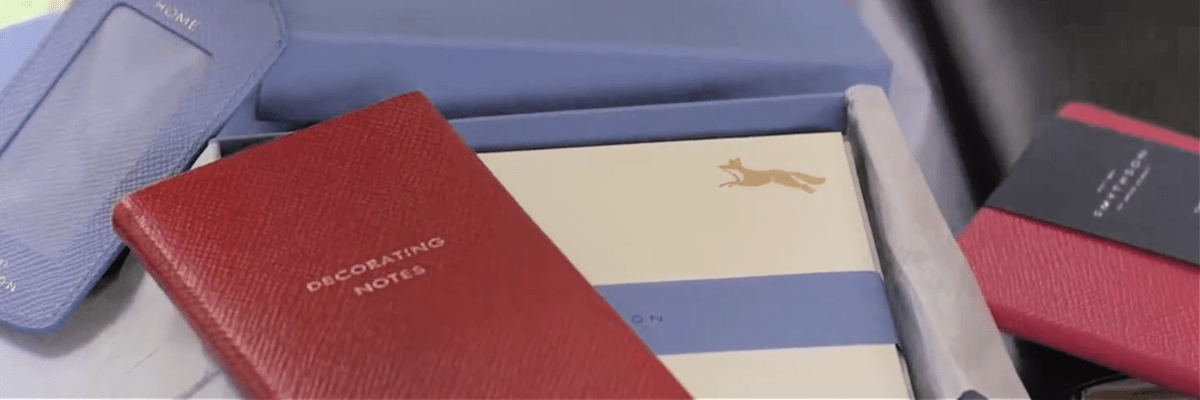
Frank Smythson opened his eponymous stationers in London in 1887 and soon garnered a reputation as a purveyor of the highest quality provisions for London’s smartest families. The house’s bespoke stationery was comprised of the finest materials allowing their customers to convey their extremely high tastes, not to mention their capacity to spare no expense. Smythson’s became a firm favourite of the Royal family and other great households across Europe. The firm expanded their range to include diaries, notebooks, travel accessories and leather goods, particularly bag & handbags, made to the same exacting standards and luxurious brief as their traditional stationery.
DUNHILL
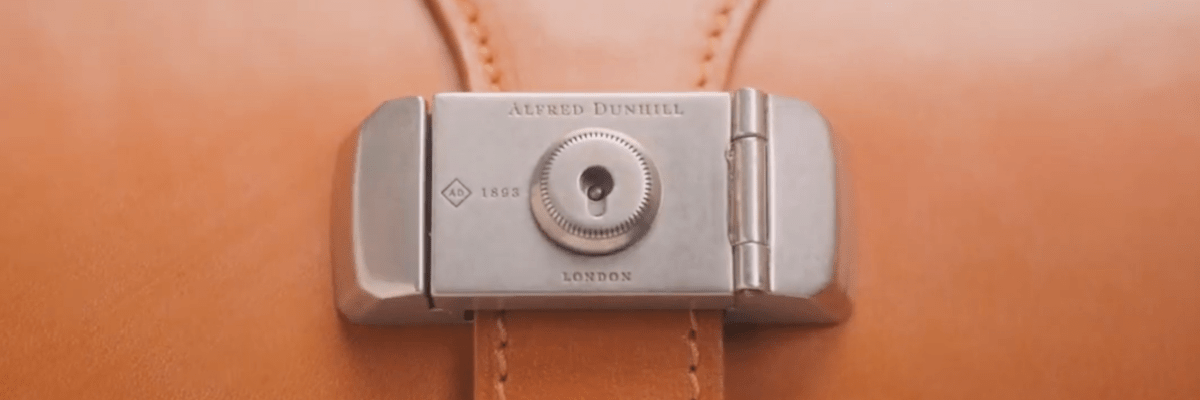
An iconic British gentleman’s brand, Dunhill, like so many of its peers, started out as a saddlery business that offered various equestrian accessories for well-heeled customers. When Alfred Dunhill took over the family business he began to manufacture various accessories for the motoring enthusiast and for wealthy travellers. A successful foray into smoking accessories for the travel market opened an entirely new business for the brand which opened its first tobacco shop in 1907 and continues to trade in cigars and smoking instruments today, now under the watchful eye of its parent company, Richemont. Dunhill is a quintessential English gentleman’s outfitter, continuing its tradition of supplying “everything but the motor”, with various accessories, leather goods, apparel and even bespoke tailoring.
 FITZGABRIELS